 Contact Us
 Visit Us
 Fast UK Delivery
 Feefo Platinum Service
Gear Spotlight – The Team at Dawkes
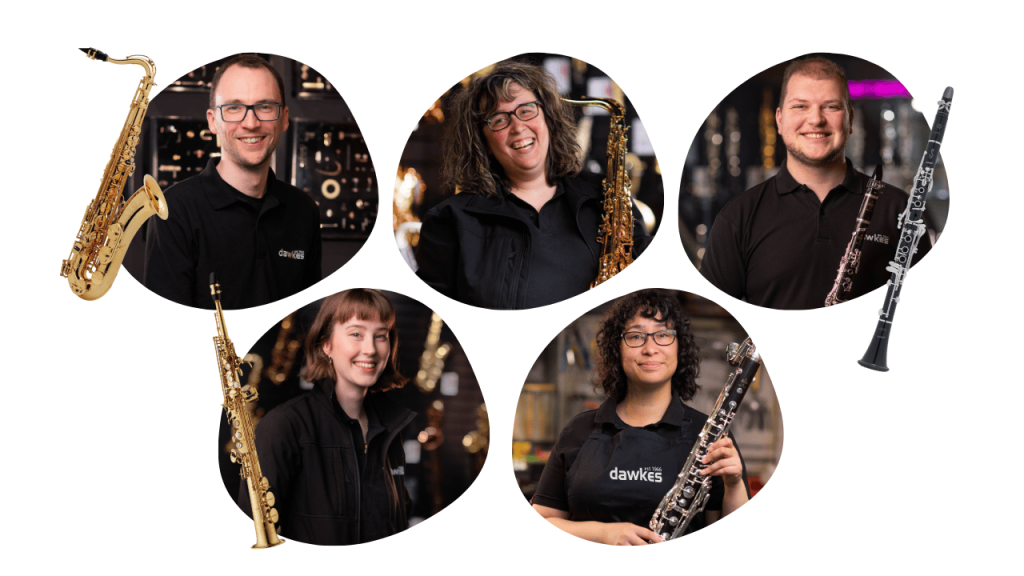
9th February 2026Imagine handling thousands of Clarinets and Saxophones every year, and all manner of interesting mouthpieces, ligatures and reeds. That’s the privileged position we’re in here at Dawkes Music and many of our staff are active woodwind musicians owning multiple instruments.
However, whilst temptation lies in every cabinet here, like everyone else we can’t buy one of everything! So, we caught up with a few of our staff to find out what gear they choose to use for their different musical pursuits, and why.
Quick Guide to D’Addario Clarinet Reeds
20th January 2026Everybody needs a good reed. It doesn’t have to be expensive, but it does have to be good quality. That means no chips, no discolouring, and no warping. Your reed is where your sound starts, so it matters more than most players realise. Pro player Jason Alder brings you this quick guide to D’Addario clarinet reeds, explaining the journey from student reeds through to premium options, showing how the right cut and profile can completely change how your clarinet feels and sounds.
Woodwind Awards 2025
27th December 2025Celebrating the Best in Woodwind for 2025
Each year, we take time to reflect on the instruments, accessories and innovations that have genuinely stood out in our woodwind department. The Woodwind Awards 2025 are chosen based on highlights, excellence in manufacturing, and products that have truly impressed us on the shop floor.
Highlights From Our Big Clarinet & Sax Weekend
25th November 2025Our Big Clarinet & Saxophone Weekend was bursting with music, inspiration, and a whole lot of reed-fuelled excitement! From inspiring workshops to stunning concerts, the two days had something for every player.

The Ultimate Gift Guide for Clarinet Players
Clarinetists know how to obsess over tone, reeds, and the never-ending hunt for the perfect setup. Whether you’re shopping for a student, a doubler, or a seasoned orchestral player, these gift ideas hit a range of budgets and make a difference.
Finding Your Sound: The D’Addario Reserve Clarinet Mouthpiece Range
4th November 2025If you’re ready to upgrade from a standard plastic mouthpiece, the D’Addario Reserve clarinet mouthpiece range is a great place to start. We’re joined by D’Addario’s pro player, Jason Alder to demonstrate each mouthpiece and offer his impressions and advice when looking for your next upgrade.
Technician Tales: Common Clarinet Faults How to Avoid Them
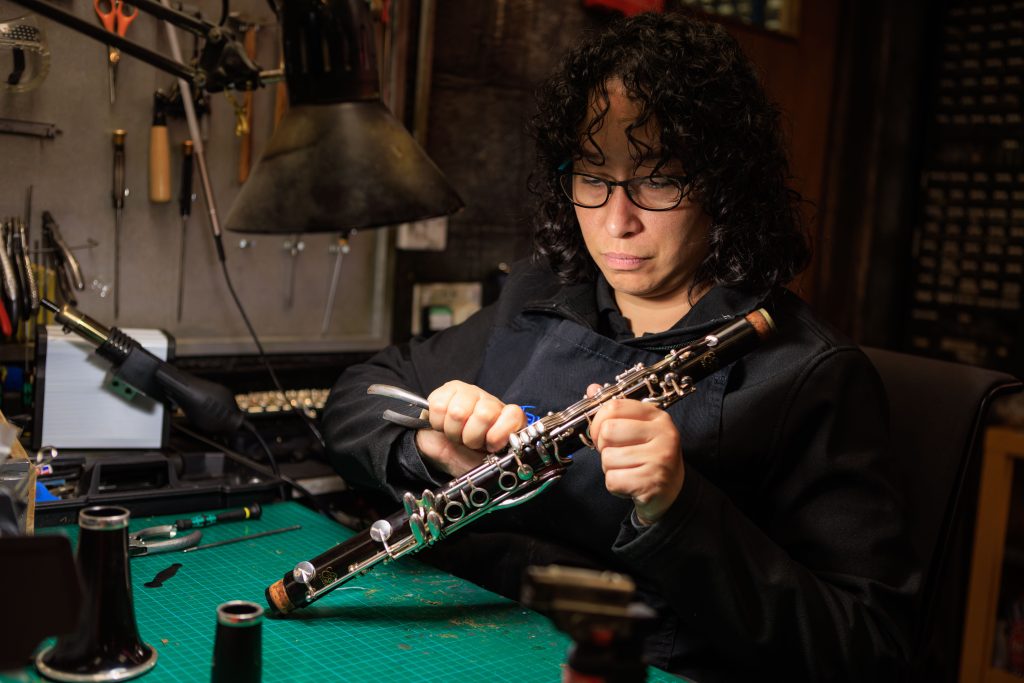
21st October 2025Every clarinet player, from beginner to professional, relies on their instrument’s precision. Yet many of the repair issues technicians see are entirely preventable – small habits that, over time, lead to avoidable faults.
Below are some of the most common clarinet faults our repairers encounter, along with guidance on how to avoid them. A little awareness during daily handling can save you a trip to the workshop (and your clarinet a lot of stress).
The Art of Breathing for Musicians
22nd September 2025Breath is at the heart of music-making. Whatever your instrument, the way you breathe shapes your tone, stamina, and expression. It’s tempting to think that “more air equals more sound,” but in practice, the opposite is often true. In this blog, ‘The Art of Breathing for Musicians’ we offer a range of advice to get your diaphragm working and start improving your sound and stamina!

The Importance of Warming Up (with Hannah Shilvock)
12th September 2025It’s easy to skip a warm-up when you’re short on time, but those few minutes of preparation make a big difference. Just like athletes don’t sprint without stretching, clarinettists need to ease their body and instrument into playing. A mindful warm-up not only helps your clarinet respond more easily, it also protects you from tension, pain, and potential long-term injury. Here are some easy steps to add into your routine, along with a pro tip from clarinetist and yoga teacher, Hannah Shilvock!

Upgrading Your Clarinet: Selmer Prologue & Presence
30th August 2025When it comes to upgrading from a student clarinet, or even choosing your very first wooden instrument, two names in the Selmer range stand out: the Prologue and the Presence. Both are beautifully designed wooden clarinets with features that make them ideal stepping stones at different stages of your musical journey.
We spoke with Selmer clarinet product manager Stéphane Gentil, Dawkes’ head technician Abi Taylor, and professional player Hannah Shilvock to find out what makes these models so special.
Back to School: Picking Up Your Woodwind Instrument After a Break
28th August 2025As the new school year begins, the music bags are being dusted off and practice routines are starting up again. Whether you’re a student returning back to school or an adult player getting back into the swing after some time away, picking up your Woodwind instrument after a break can seem a challenge, but easing yourself (and your instrument!) back in carefully makes all the difference.
Exploring Selmer Paris’ Professional Clarinets
15th August 2025with Hannah Shilvock, Stéphane Gentil, and Abi Taylor
In our recent video, clarinetist Hannah Shilvock joined Selmer Paris product manager Stéphane Gentil and our head technician Abi Taylor are exploring four of Selmer Paris’ professional clarinets: the Recital, Signature, Privilege, and Muse. Together, they offered a combination of performer insight and technical expertise – discussing design history, acoustic goals, and the Hannah’s personal experience for each model.
Vandoren VK Synthetic Reeds
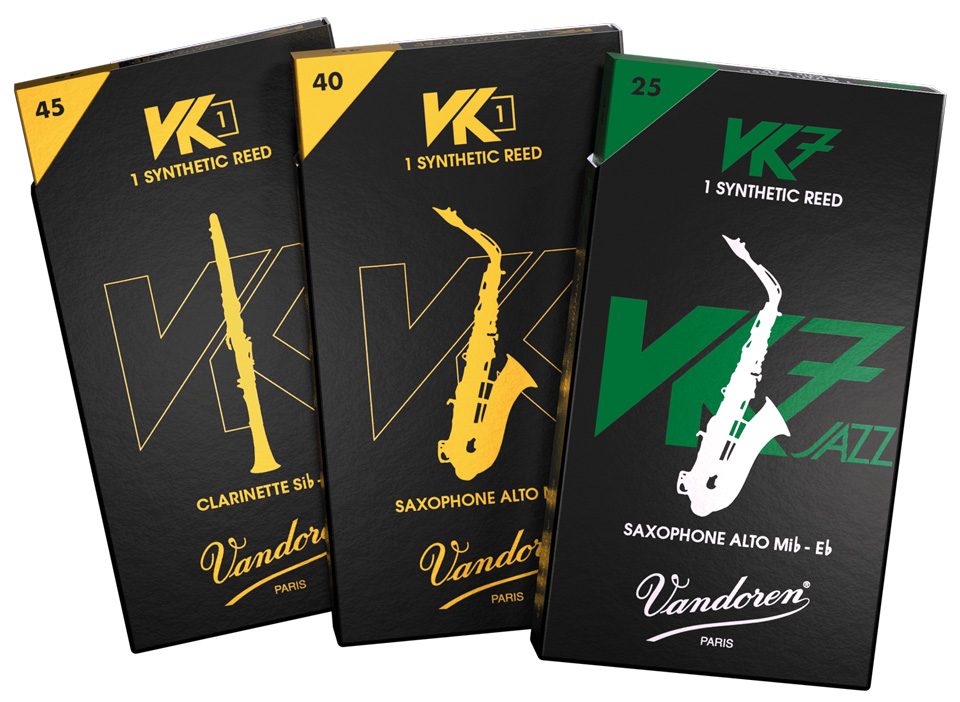
18th July 2025Vandoren’s VK synthetic reeds are the result of seven years of research and development in France. The VK line offers a synthetic, fully recyclable alternative to cane reeds, crafted from a composite material. Designed to closely replicate the acoustic qualities of natural cane, they provide the durability and consistency players have long wished for, without sacrificing tone, response, or feel.
Caring for Your Single Reeds: Essential Tips for Clarinet and Saxophone Players
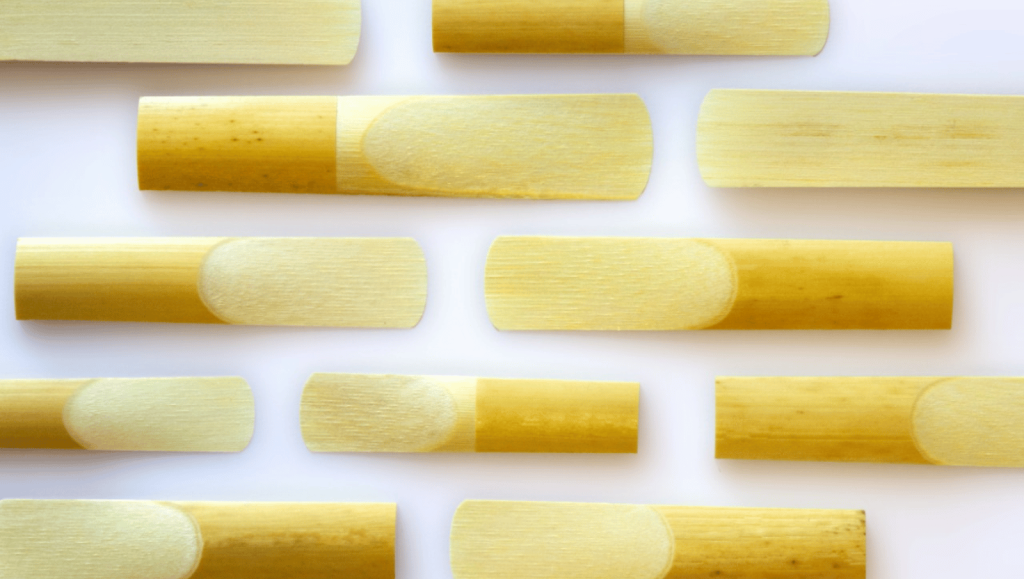
16th July 2025Whether you’re a beginner or an experienced player, caring for your single reeds will extend the life of your favourites and provide the best performance. Good reed maintenance not only saves you money, it ensures your playing stays consistent, smooth, and expressive. Here’s a comprehensive guide to help you get the most from your clarinet or saxophone reeds.
Finding Your Musical Voice
Five Steps to Make Your Playing Truly Yours
In the world of instrumental playing, it’s easy to get caught up in perfecting the technical aspects – clean articulation, accurate intonation, and solid rhythm. But great players don’t just play the notes – they say something with them. Finding your musical voice is about making your playing unmistakably you. It’s a lifelong journey, but here are five steps to help you start carving out your unique sound, inspired by brass supremo Christopher Bill.

This Is Your Sign To Try A New Instrument!
4th July 2025Whether you’re a curious beginner or a seasoned musician thinking about doubling, take this as your sign to take the plunge and try a new instrument! We get it – investing in a new instrument can be a big step, especially if you’re not quite sure how it’ll fit into your playing or your practice routine.
That’s where our rental scheme comes in – a flexible, affordable way to explore new instruments without the pressure of a full purchase. It’s the perfect solution for anyone looking to dip a toe into the world of doubling or starting fresh with something completely new.

A Self-Care Guide for Woodwind and Brass Players
24th June 2025World Wellbeing Week 2025
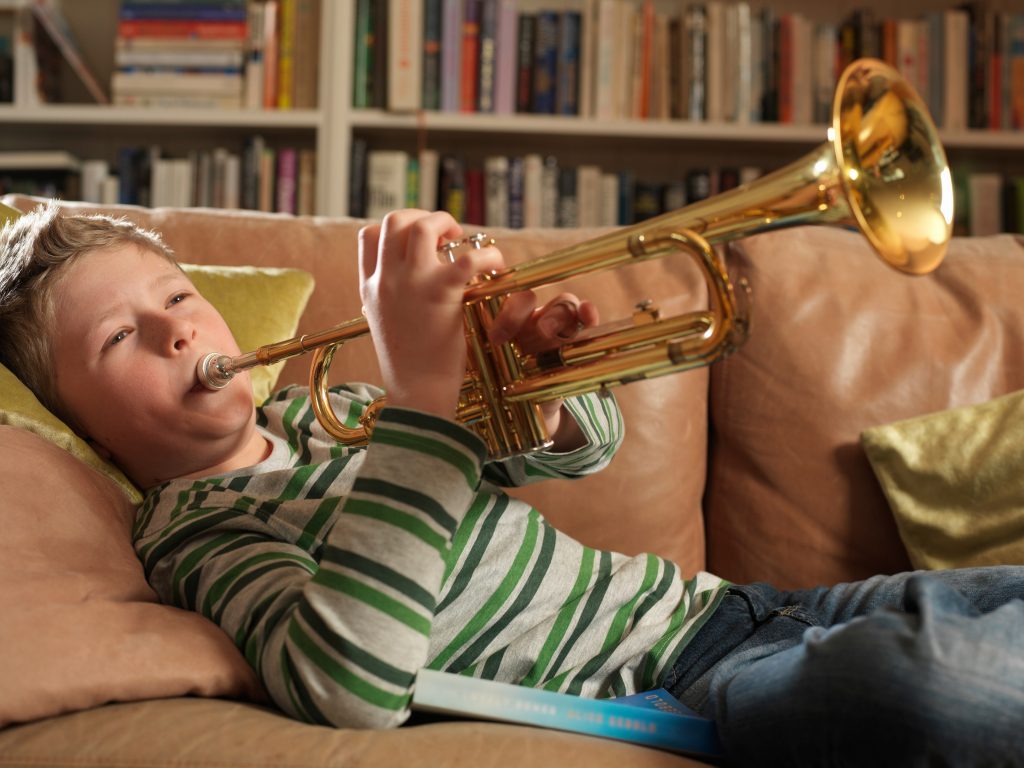
During World Wellbeing Week 2025, let’s shift the focus inward: from performance to presence. Woodwind and brass players know the intense demands of their craft – daily pressure on the breath, fine motor control, long practice hours, and often, physical tension. We’ve put together a self-care guide for musicians with 5 tips on slowing down and taking a moment. Whether you play oboe, saxophone, trumpet, or tuba, you’re constantly balancing technical skill with physical stamina and emotional focus.
We’ve also included some invaluable resources from the British Association for Performing Arts Medicine at the end of the blog to support all musicians through their journey.
Unlock Your Sound: 5 Essential Tips for Bass Clarinet!
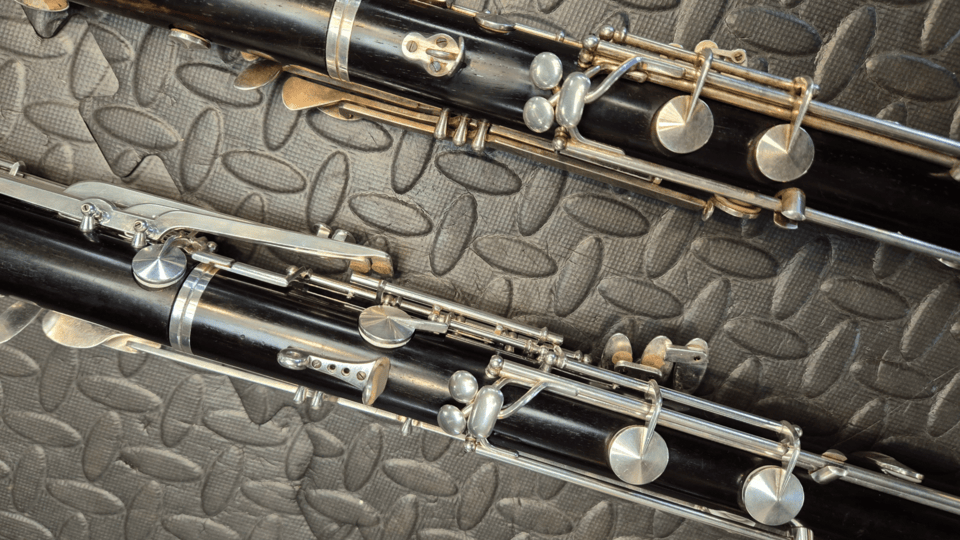
19th June 2025Mastering the bass clarinet takes more than just playing low notes beautifully – it’s about developing habits that support tone, technique, and longevity. Based on expert advice by low woodwind specialist, Preston Cummins, here are 5 essential tips for bass clarinet to unlock your sound and take your playing to the next level:

Understanding Harmony Clarinets: Expand your Clarinet Journey
6th June 2025A recent arrival of two vintage Uebel instruments – a Bass Clarinet to low C and a Basset Horn in F – sparked excitement in our workshop and inspired us to explore the world of harmony clarinets. For many clarinetists, the Bb clarinet is home base. But beyond the familiar lies a fascinating family of instruments known as harmony clarinets. Whether you’re looking to deepen your ensemble experience, explore new timbres, or take on a fresh challenge, understanding harmony clarinets offers a world of musical possibilities and can expand your clarinet journey.
A Beginner’s Guide to Reed Adjustments
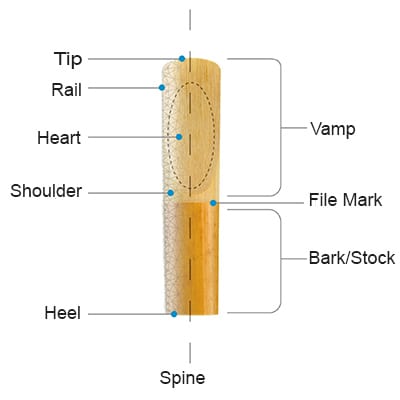
29th May 2025Whether saxophone or clarinet, your reed is the heart of your sound, without it you couldn’t even make a sound! A great reed can make playing effortless, while a poor one can turn practice into a struggle. Learning how to adjust reeds gives you control over tone, response, and comfort. In this beginner’s guide to reed adjustments, we’ll show you how to get the most out of every reed.
Making the Switch – Advice for Transitioning to Bass Clarinet
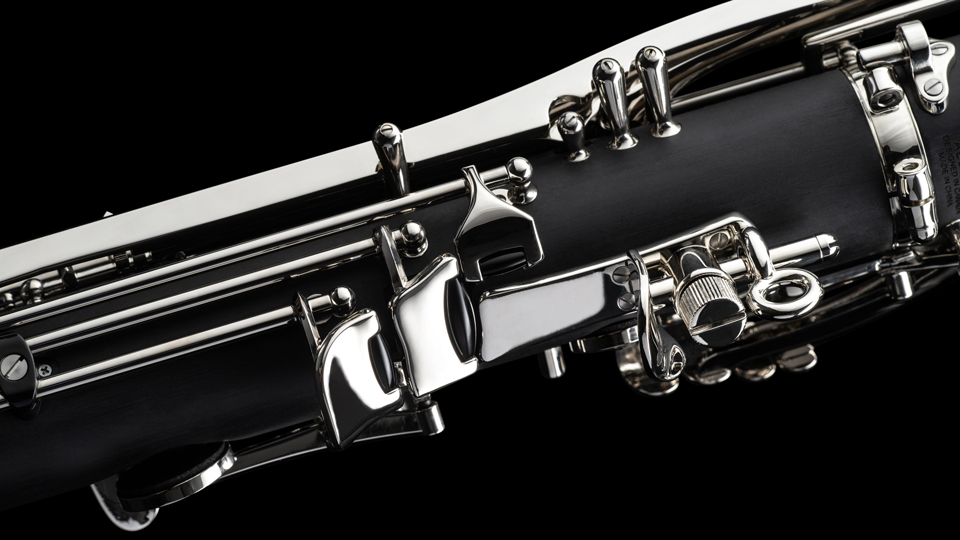
23rd May 2025Making the switch from Bb to bass clarinet opens up a rich and resonant sound world – but it also comes with new challenges. From adjusting your embouchure to navigating the larger keywork, transitioning to bass clarinet requires patience and practice. In this post, we’ll offer advice on overcoming common hurdles, helpful techniques, and essential maintenance tips to help you make a smooth and successful switch.
How to Glissando on the Clarinet
1st May 2025Glissando, a smooth glide from one pitch to another, is a technique often used in jazz and contemporary music. Mastering the glissando on the clarinet can add an expressive dimension to your playing.
Here is a step-by-step guide to help you achieve a successful glissando on the clarinet, including a short video by Clarinettist extraordinaire Julian Bliss!
(more…)Clarinet Bore Oil Information
22nd February 2024In this blog (with demonstration video) we discuss the how and why of oiling the internal bore of a wooden musical instrument. In this example we’re demonstrating using a Bb Clarinet, but the same technique and reasoning applies to any wooden bodied instrument.
Which Clarinet is Best for a Beginner?
29th August 2023Whether choosing one for your child or picking up the instrument for the first time yourself, it’s never easy knowing which clarinet is best for a beginner. There are so many options and a lot of jargon to wade through, making it near impossible to figure it out without a little help. That’s exactly why we’ve put together this guide looking at beginner clarinets.
Buffet B12 Clarinet – An Old Favourite
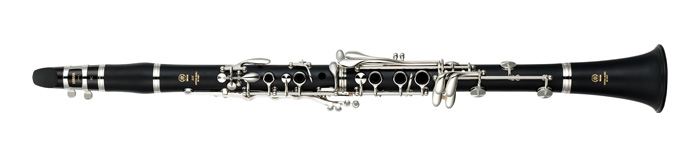
23rd August 2023The Buffet B12 (recently replaced by the Buffet Prodige) was THE student clarinet for many decades. We recently recorded a video featuring a limited edition clear perspex model (see below) and decided to look back at this popular beginner Clarinet here on the blog.
Clarinet Playing Tips & Advice (Part 1/2)
24th October 2022We recently hosted Peter Cigleris for a Backun Clarinet event here at Dawkes Music. Along with a stunning performance Peter also spent some time discussing common aspects of Clarinet playing. In this blog (part 1 of 2) we share some of the highlights with you…

Clarinet Mouthpieces: How to Test
10th August 2022We asked leading UK professional player Nick Carpenter for his top tips on choosing the correct clarinet mouthpiece for you. Dawkes offer a wide range of clarinet mouthpieces, these tips will help you when testing between different models.
Jazz Clarinet Mouthpieces – Which is Best?
25th November 2021We asked leading UK professional player Simon Bates to demonstrate and discuss a range of jazz clarinet mouthpieces and ask “which is best?”. We looked at the leading models from Vandoren as well as alternatives from Otto Link and Meyer.
If you’re wanting to play in a more jazz oriented way on Clarinet we would advise selecting a jazz designed mouthpiece to really help. Check out the video and our info on how to choose below…
Buffet or Yamaha?
25th August 2021We’re often asked about the difference between Buffet Clarinets and Yamaha Clarinets. Each brand offers a range from student to professional. In this blog we take a look at the two manufacturers and their Clarinets and consider if you should choose Buffet or Yamaha?
Top 5 Clarinet Gift Ideas
4th December 2020Whether you’re looking for a loved one, or perhaps just treating yourself (!) we’ve put together our Top 5 gift ideas for Clarinettists of all levels. From accessories to instruments, we’ve got something for all players and all budgets…
Mail Order: 14 Day Home Trial
2nd November 2020As fellow musicians we understand that sometimes it’s important to compare similar items back-to-back and/or just get a few days to make sure something is right for you. Our 14 Day Home Trial option is there to help you find the right item and test it in an environment you’re comfortable in. Here’s how it works…

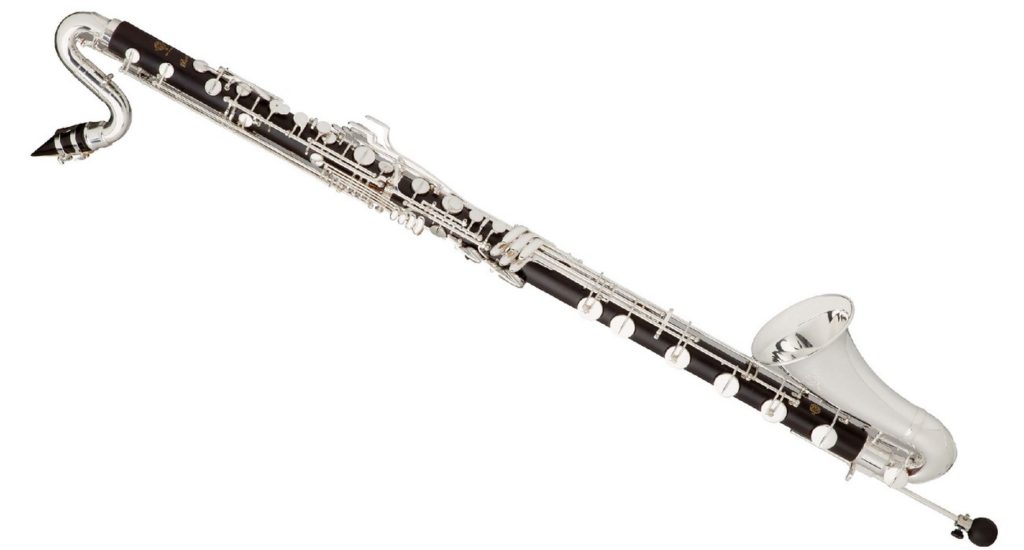
Auxiliary Woodwind Instruments
19th February 2020This is a term you may have heard before, but what exactly does it mean? In short, an auxiliary instrument is any ‘non-standard’ version of the common members of an instrumental family. They’re often used in orchestras and other ensembles by the specialist players. Today we’re looking at the auxiliary instruments in the woodwind family, as well as a few that we sell in store!
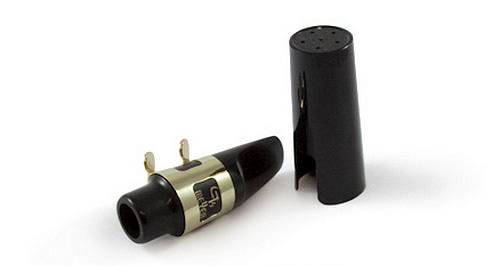
What’s Your Set-Up? Sax & Clarinet…
This question gets thrown around a lot! From first time mouthpiece upgraders looking for something new, to highly-skilled amateurs looking for a different sound. Truthfully, someone’s answer – beyond letting you know how much money they dropped on a mouthpiece! – isn’t a lot of use to you. Why is this?
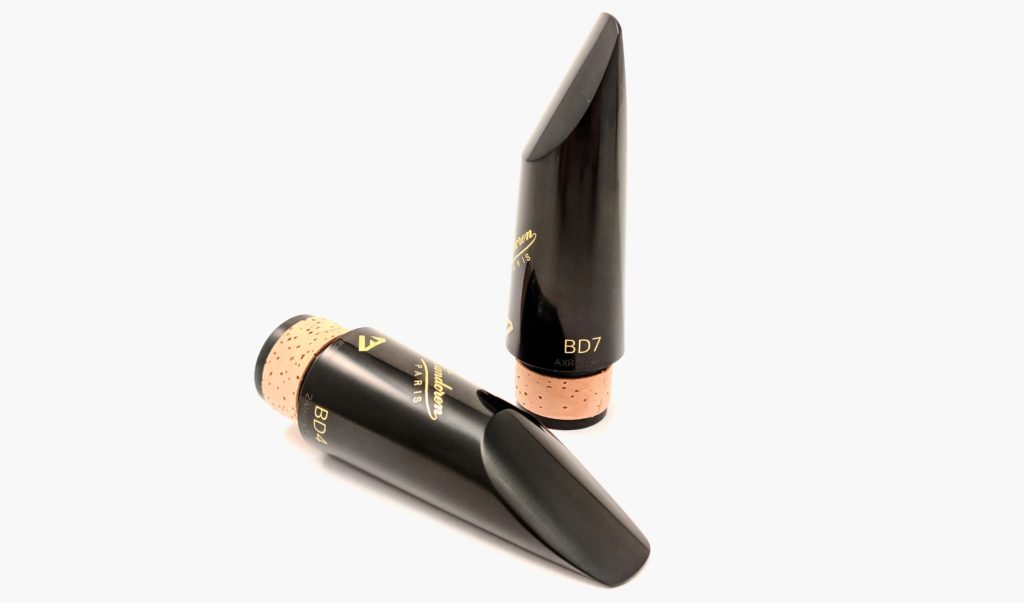
Diamonds in the Rough – Vandoren’s New Mouthpieces
6th November 2019Vandoren’s original Black Diamond, or BD5, was released in 2015 and rapidly became one of their most popular clarinet mouthpieces. It provides a rich, dark tone, with the compact sound we’ve come to expect from a good clarinet mouthpiece. Vandoren have recently developed new variations on the Black Diamond, the BD4 and BD7. I tried these new offerings, alongside my trusty BD5, to see how they compared.
Eddie Daniels joins the Légère Family!
30th September 2019American jazz and classical clarinetist and saxophonist Eddie Daniels has made the switch! After using cane reeds throughout his career, Daniels now exclusively uses Légère synthetic reeds on clarinet and tenor saxophone.
Daniels is now a Légère edorsing artist. Read on to find out more about the innovate reeds he endorses. ‘Life just got easier’!

Learn To Play Day – Success Story #2
3rd March 2018In preparation for this years national ‘Learn To Play Day’ we are chatting with some new players who started their musical journeys at a previous Learn To Play event. Whatever your age, there’s nothing to stop you picking up an instrument and achieving your musical dreams! Over to you Jinny…
Squeaking? Blame the mouthpiece??
13th January 2017Post Author: Prof. Anton Weinberg (www.antonweinberg.com)
I am always concerned when teachers and players assume that squeaks on a mouthpiece are caused by the facing being crooked. Yes indeed, it might be a possibility, however my research over many years has found that a great majority of the mouthpieces used by clarinetists that we admire are indeed crooked.
5 Minutes with…Andrew Marriner (Principal Clarinet LSO)
29th November 2016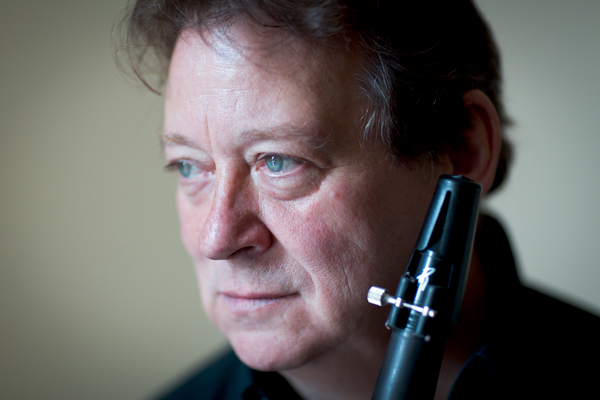
New Buffet Clarinets – Launch on Saturday May 28th…
12th May 2016The New Buffet ‘Tradition’ Professional Model:
The new Tradition has been inspired by a pre-1950s design while taking into account the needs of modern musical repertoire and performance practice, this brand new cylindrical bore compliments the R13 and RC bore families, adding a new acoustic dimension to the Buffet offerings.
Featuring a cylindrical bore design, the new clarinet harkens back to the purity of sound produced by the BC20, with a tone hole placement inspired by the Tosca design. The result is an instrument that presents a clear, focused, rich sound suitable for any acoustic environment and an even scale for consistent intonation throughout all registers.
The Uebel Emperior Bass Clarinet is a serious competitor!
29th December 2015The Uebel Emperior is a fantastic new addition to the professional Bass Clarinet range.
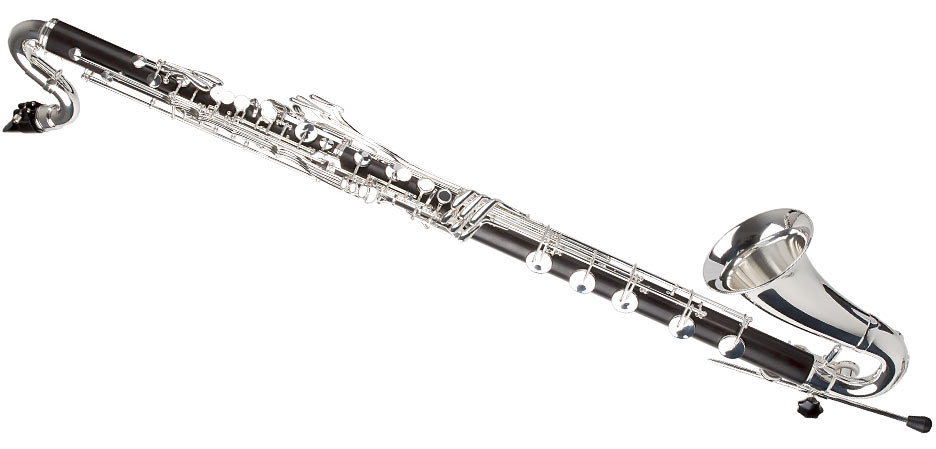
“The Uebel bass clarinet is a fantastic and much needed addition to the bass clarinet market that compares favourably with it’s competitors. It plays extremely well and is a reliable alternative for players looking for a high quality instrument at an affordable price.” Sarah Watts, B
ritish bass clarinet specialist, teacher of bass clarinet at Royal Northern College of Music.
Introducing… Dawkes Music Reed Selection Packs
29th August 2015
As fellow clarinettists, here at Dawkes we understand how important it is to find the right set-up.
Workshop Tips: How we fix clarinet cracks
23rd July 2015BEFORE: 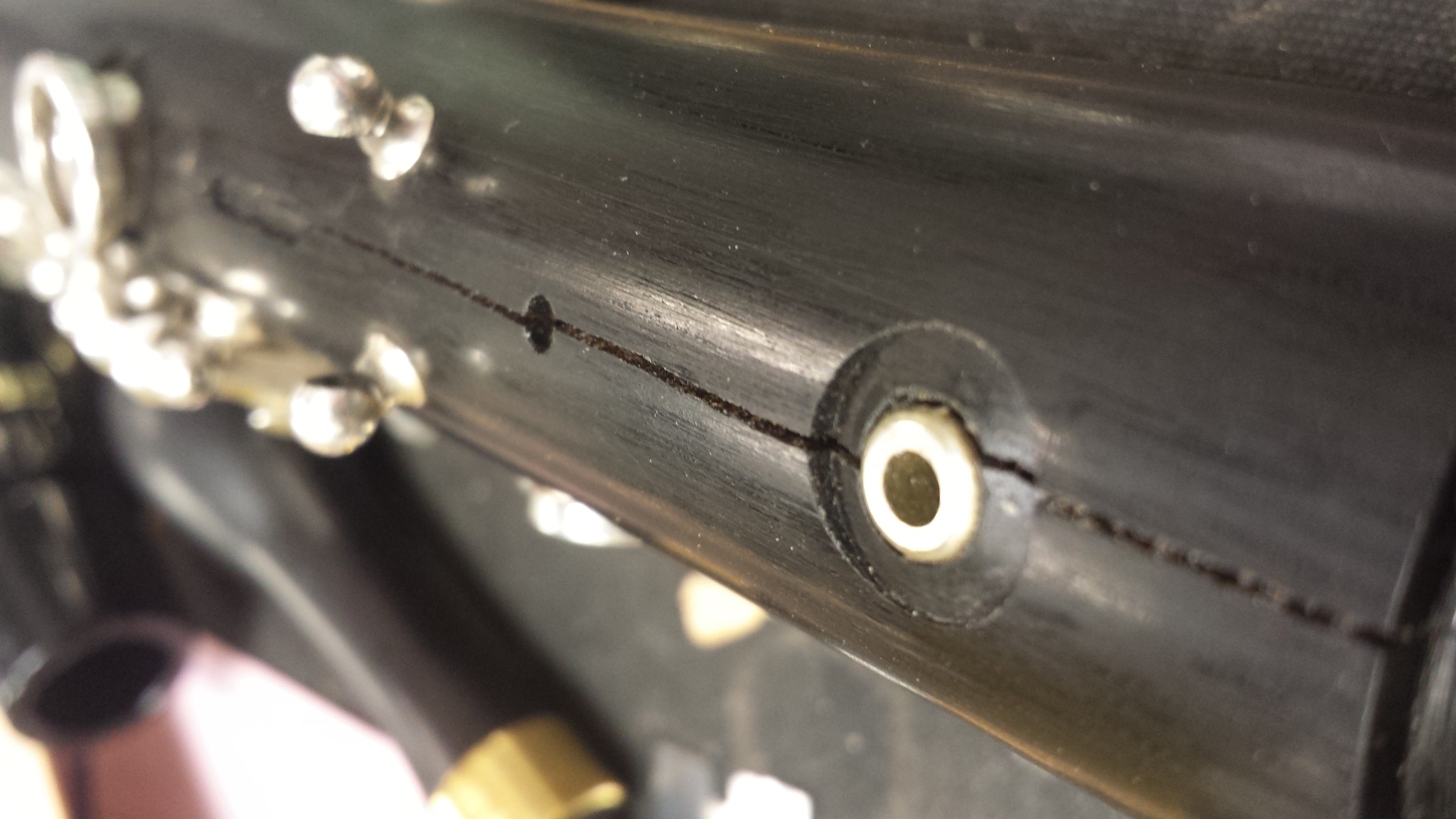
This Buffet R13 came into our workshop with an enormous crack in the top joint, running through the speaker tube and into the thumb bush. Miraculously, the crack had not travelled through into the bore of the instrument, so we were able to fill and secure the crack using wood powder, glue and a lot of patience.
Clarinet Accessory Reviews – Bore Oil & Pullthrough
19th May 2012Michaela Bell; Woodwind Teacher, Berkshire
I recently bought a secondhand Selmer 10S clarinet from Dawkes, which I had kept my eye on as soon as it came into the shop! This instrument was made some time between 1978-9 (so it is approximately a decade older than I am!). Although it is in immaculate condition, (especially after the workshop had got their magic hands on it), I was concerned that due to its age, the bore might be prone to drying out and in need of some TLC. In the past, I have treated my oboe and Cor Anglais with bore oil, but this has led to problems with sticky pads and I wasn’t entirely happy with the results, so I was a little reluctant to try that particular brand of bore oil again.
Vandoren CL4 and CL5 Clarinet Mouthpieces – NEW!
10th May 2011VANDOREN CLARINET MOUTHPIECES CL4 AND CL5
The new Vandoren CL4 and CL5 clarinet mouthpieces arrived with us today. We passed them to our mouthpiece designer and Woodwind consultant Prof Anton Weinberg for a review: