How do the seasons affect my instrument?
10th November 2026If you’ve ever picked up your saxophone, clarinet or flute on a cold morning and wondered why it suddenly feels harder to play in tune – or noticed your pads sticking in summer humidity – you’re not imagining things. Temperature and humidity have a surprisingly significant effect on how woodwind instruments behave. Understanding why can save you a lot of frustration and, potentially, some unnecessary repair bills.
Materials Matter
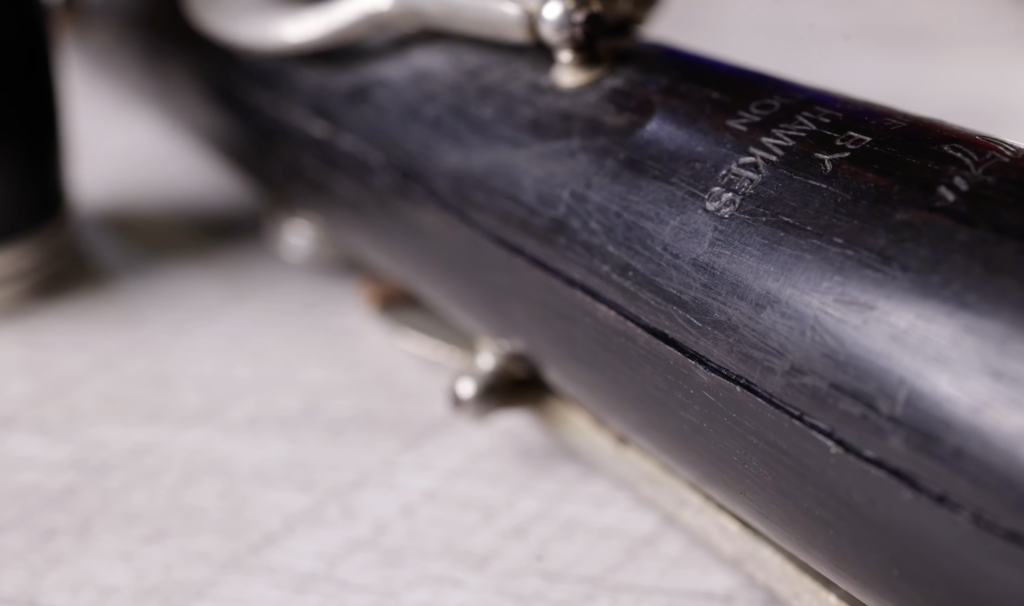
Clarinets – particularly those made from grenadilla wood – are especially sensitive to environmental change. Wood is a natural material that expands and contracts as it absorbs and releases moisture from the air. In cold, dry conditions, the wood can tighten slightly; in warm, humid weather, it can swell. For most players this presents as subtle shifts in intonation or resistance, but in more extreme cases it can cause cracking – one of the most serious and costly issues a clarinet can face.
Saxophones, being made from brass, are less affected by humidity but highly responsive to temperature. Brass expands when warm and contracts when cold, and this directly affects intonation. A saxophone that plays perfectly in tune in a warm rehearsal room may feel flat in a cold church hall if you’re simply pushing the mouthpiece on to the same point – this isn’t a fault with the instrument or the player, it’s physics. It’s easily compensated for by mouthpiece positioning on the crook, but the main thing is to be aware of it.
Flutes and piccolos can fall into either camp, depending on what they’re made from. Most flutes are made from silver-plated nickel silver, solid silver or, at the higher end, gold, and like the saxophone they respond more to temperature than to humidity. A cold flute will play flat until it warms up, which you can correct by adjusting the headjoint slightly rather than changing your embouchure. Piccolos are often made from grenadilla wood or composite materials. A wooden piccolo is just as sensitive to moisture and temperature changes as a wooden clarinet, while composite instruments are much more stable in changeable conditions.
What Happens to the Pads?
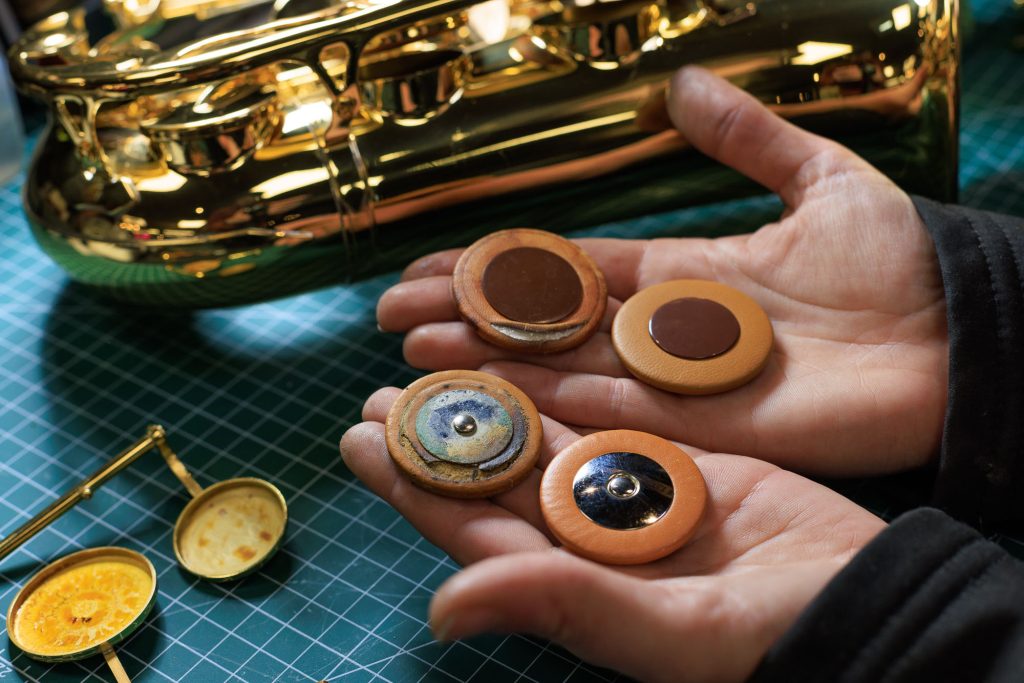
Pads are one of the most humidity-sensitive components in any woodwind instrument. In damp conditions, leather pads can swell slightly, which sometimes actually improves the seal temporarily – but prolonged exposure to moisture causes them to soften, distort and eventually fail. In very dry conditions, pads can harden and shrink, leading to leaks that affect response and tone across the whole instrument.
Flute and piccolo pads are usually made from felt covered with a thin skin, which makes them more delicate than saxophone pads. Moisture can make the skins wrinkle, pucker or tear, and sticky pads (often on the G sharp key) are a common sign of seasonal changes. The cork inside the flute headjoint is affected too, because it can shrink in cold, dry weather and shift out of position, which affects tuning and response across the instrument. Check the line on your cleaning rod against the centre of the embouchure hole now and then to make sure the cork hasn’t moved.
This is also why instruments left in cold cars overnight can develop sticking pads the following morning. The combination of cold and condensation when the instrument is brought into a warm room creates exactly the conditions pads dislike most. It’s one of the more common reasons instruments come into our workshop when these conditions are prevalent.
Intonation and the Temperature Effect
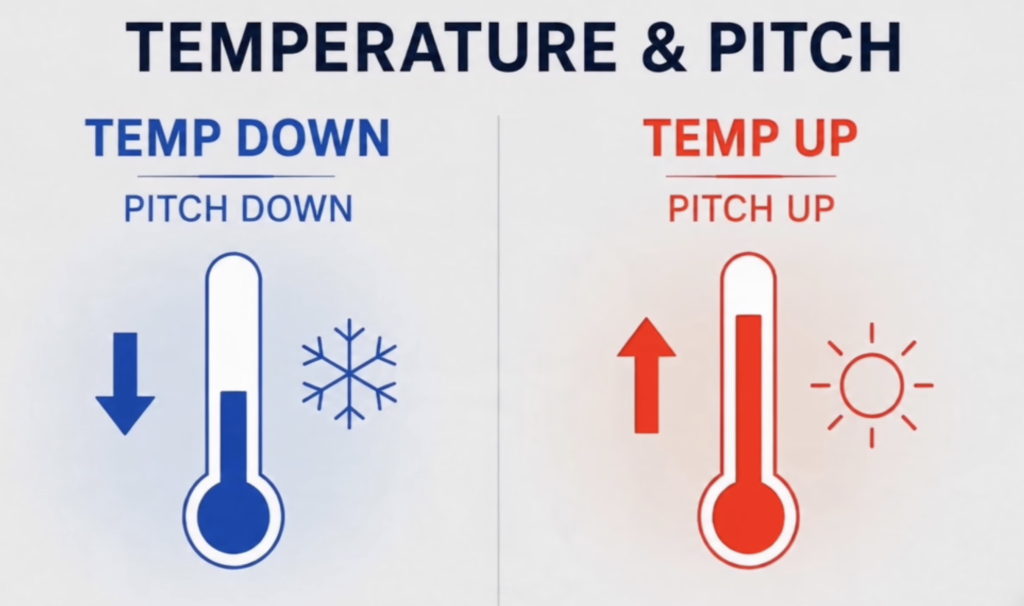
Here’s something worth understanding as a player: pitch rises as temperature increases, and falls as it drops. Wind instruments are no different. When you first pick up a cold instrument, the air column inside it is short and dense, which pulls the pitch down. As the instrument warms from your breath, it rises – which is why experienced players always warm up their instrument before tuning, and why a brief warm-up period matters even for seasoned performers.
The practical implication: if you’re playing in a cold environment, you may find yourself consistently flat until the instrument reaches playing temperature. If it’s unusually warm, the opposite can occur. Knowing this means you can compensate – rather than assuming something is wrong.
Flute players in cold venues may also notice more condensation collecting in the tube, which can cause a gurgling sound or water sitting in the tone holes. Blowing gently through the instrument, or giving it a quick clean with your cleaning rod between pieces, usually sorts this out.
Simple Steps to Protect Your Instrument Year-Round
The good news is that a few straightforward habits go a long way:
- Always warm your instrument gradually. Avoid taking a cold instrument straight from a car boot into a warm venue and immediately playing it. Give it time to acclimatise.
- Swab after every session. Moisture left inside the instrument after playing is the enemy of pads, corks and the body materials.
- Flute and piccolo players: clean with a rod and cloth. Dry the inside of each section after playing, and never leave a damp cloth in the case with the instrument. A quick wipe of the outside also helps prevent tarnish on silver instruments, which happens faster in humid weather.
- Store at stable temperatures. Avoid leaving instruments in cars, near radiators, or in cold outbuildings. A consistent room temperature is ideal.
- Get your instrument checked if it’s been through a tough winter. Seasonal changes are one of the most common triggers for pad leaks and regulation issues that have crept in gradually.
A Note on Cracking
For wooden clarinet and piccolo players, this deserves a specific mention. Cracks most often occur in the first few years of an instrument’s life, or when it’s returned to regular use after a long period of storage. The cause is almost always thermal shock – rapid temperature change – combined with a dry environment. Playing for extended periods without warming up gradually, or bringing a cold instrument into a very warm, dry space, are the most common culprits.
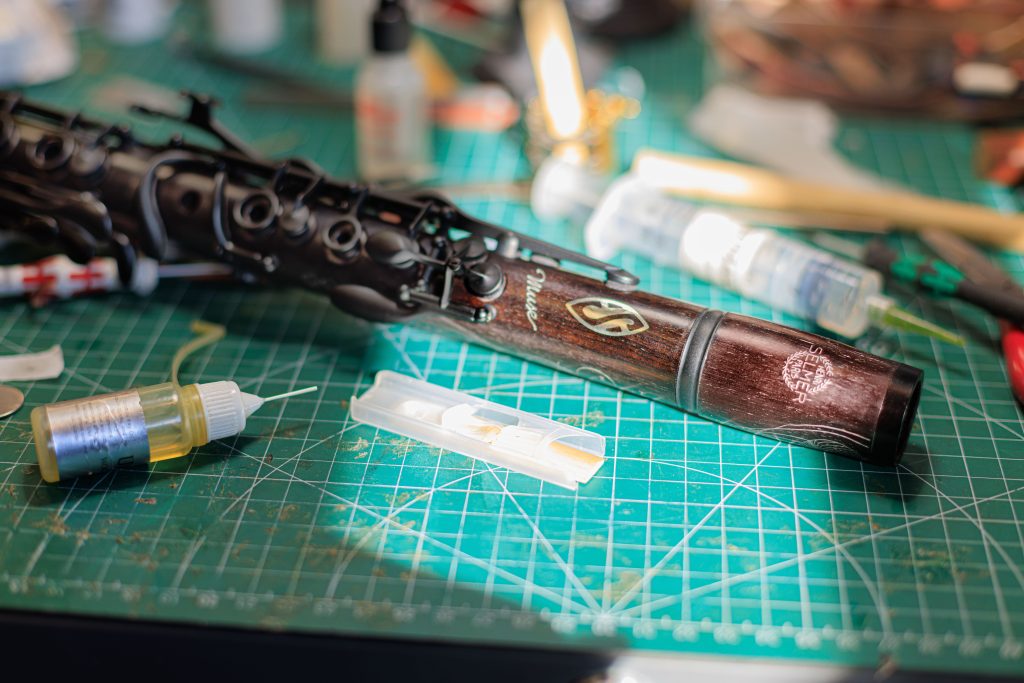
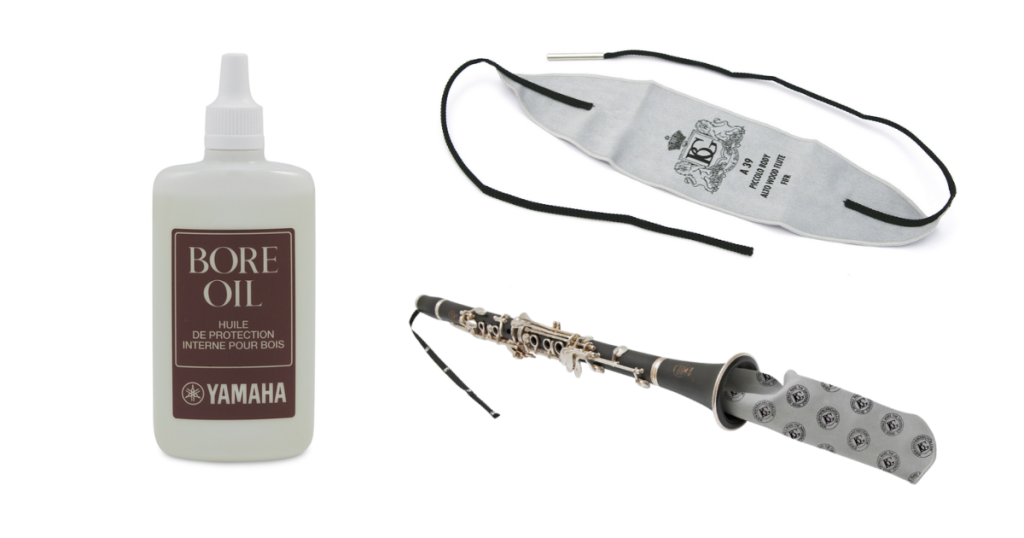
Oiling the bore of a wooden clarinet (using a purpose-made product) can help maintain the wood’s moisture balance. If you do notice a crack forming – even a hairline – it’s worth getting it assessed promptly. Small cracks that are caught early are generally far more straightforward to address than those that have been left to develop.
Wooden piccolos and wooden flutes are at risk in the same way, especially when they’re new. Keep your early playing sessions short while the instrument settles in, and follow the maker’s advice on whether and how often to oil the bore, because recommendations vary from one manufacturer to another.
The Takeaway
Your instrument is more environmentally sensitive than most players realise, and the seasons genuinely do affect how it plays. A little awareness goes a long way – both in protecting the instrument and in helping you understand why it behaves the way it does. If you’ve noticed seasonal changes in playability or intonation and you’re not sure whether it’s the instrument or the conditions, it’s always worth a conversation with a repairer before assuming the worst.
At Dawkes, our repair team are used to seeing the full range of seasonal wear and damage, and we’re always happy to take a look and give you an honest picture of where your instrument stands.