 Worldwide Delivery
 info@dawkes.co.uk
 +44 1628 630800
 Award Winning Service
Synthetic vs Cane Double Reeds: Which Is Right for You?
20th May 2026Choosing the right reed can quietly make or break your playing experience. For double reed players, the debate between synthetic and cane has never been more relevant – and thanks to significant advances in reed-making technology, synthetic options are now a genuine contender rather than a compromise. We recently sat down with Thom Conroy to talk through the debate of synthetic vs cane double reeds. Whatever stage you are at, it’s worth knowing what each option offers. Browse both synthetic and cane double reeds at Dawkes Music and find what works for you.
1. Temperature and Humidity: Consistency Wherever You Play
Cane is a natural material, and it responds to its environment – sometimes dramatically. A reed that plays beautifully in a warm practice room can feel completely different on a cold stage or in a draughty pit.
Synthetic reeds are far less affected by changes in temperature and moisture, making them especially well-suited to:
- Pit musicians and touring players moving between different acoustic environments
- Outdoor performances and unpredictable British weather
- Doublers and triplers who need a reliable reed ready to go without a warm-up period
If you’ve ever spent more time managing your reed than managing your music, this stability alone is worth the switch.
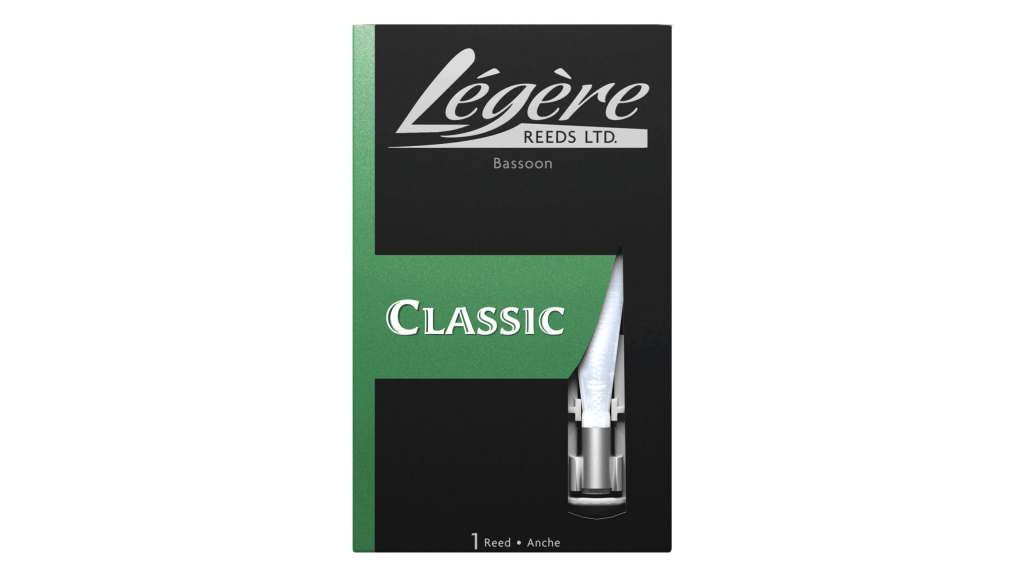
2. Tone: Closer to Cane Than You’d Think
The biggest hesitation around synthetic reeds is usually tonal – and understandably so. But modern synthetic reeds have closed the gap considerably, producing a sound that is strikingly consistent with quality cane in most playing contexts.
What they offer beyond tone is predictability. Where cane varies reed to reed and day to day, a synthetic reed responds the same way every time you pick it up. For players doubling on oboe or bassoon as a second instrument – where the reed might sit untouched for days between rehearsals – that reliability is a significant practical advantage.
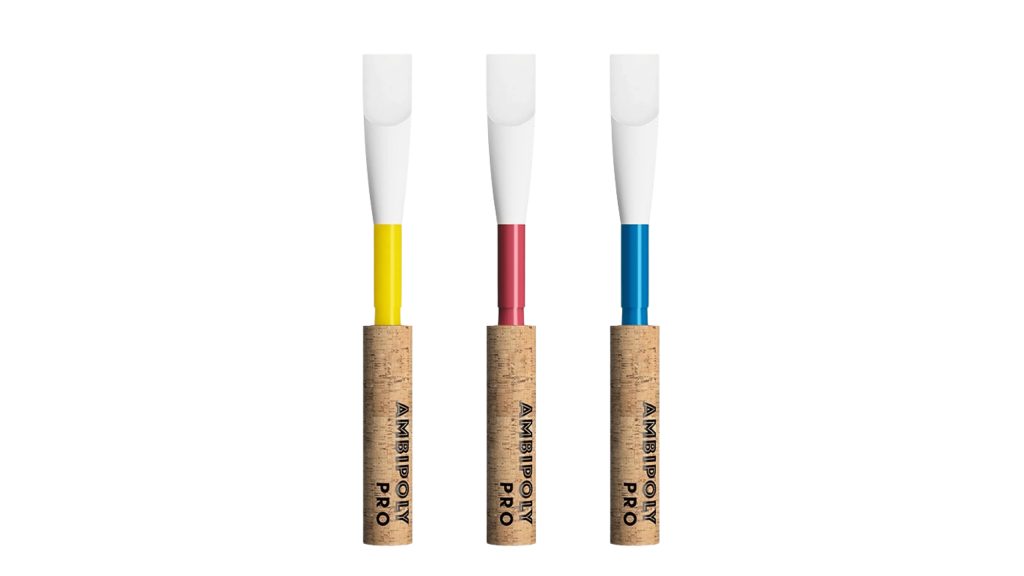
3. Cost Benefit: Think Long-Term
Synthetic reeds may cost more upfront, but they last significantly longer than cane – often several months of regular use versus days or weeks. When you factor in the reeds that simply don’t work, the time spent breaking them in, and buying in bulk just to have a reliable one available, the long-term saving is real.
For players who don’t need to be on cane for every situation, synthetic reeds reduce the cost, the waste, and the guesswork.
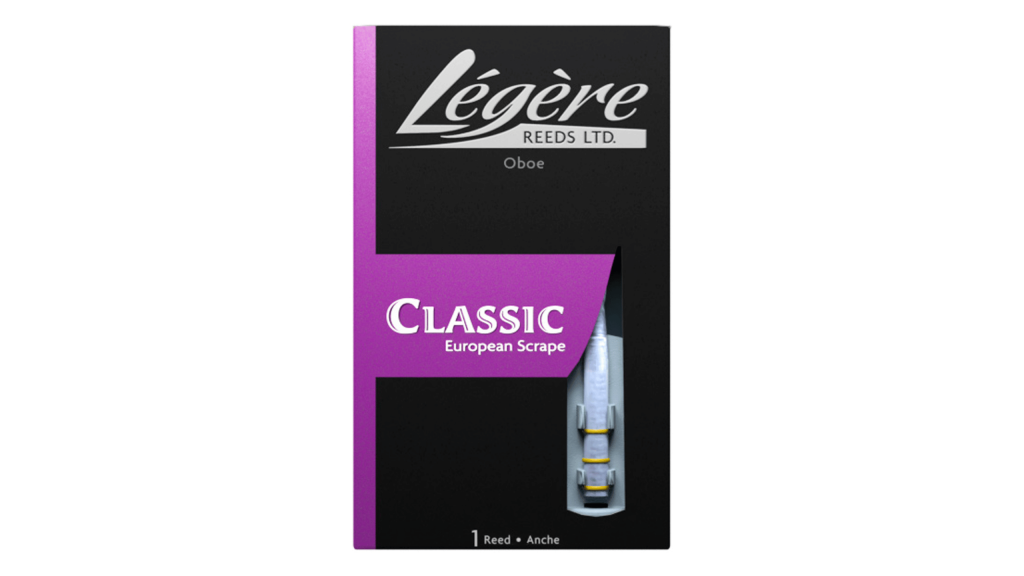
Zero Preparation, Every Time
Unlike cane, synthetic reeds require no soaking, no break-in period, and no adjustment before playing. You pick them up and play. For pit musicians navigating quick scene changes, doublers switching instruments mid-show, or any player who simply can’t afford reed unpredictability in a performance setting – this is a game-changer that doesn’t always get the attention it deserves.
Final Thoughts
Synthetic and cane reeds don’t have to be an either/or choice. Many players find that synthetic reeds work brilliantly for rehearsals, gigging, and any situation where reliability matters, while cane remains their preference for specific solo or orchestral contexts. Watch Thom’s full reel for his practical take on all of this – and when you’re ready to explore, browse the full range at Dawkes.