Contact Us
 Visit Us
 Fast UK Delivery
 Feefo Platinum Service
Safe and Clean! A Guide to Keeping Your Kit Clean for Wind Players
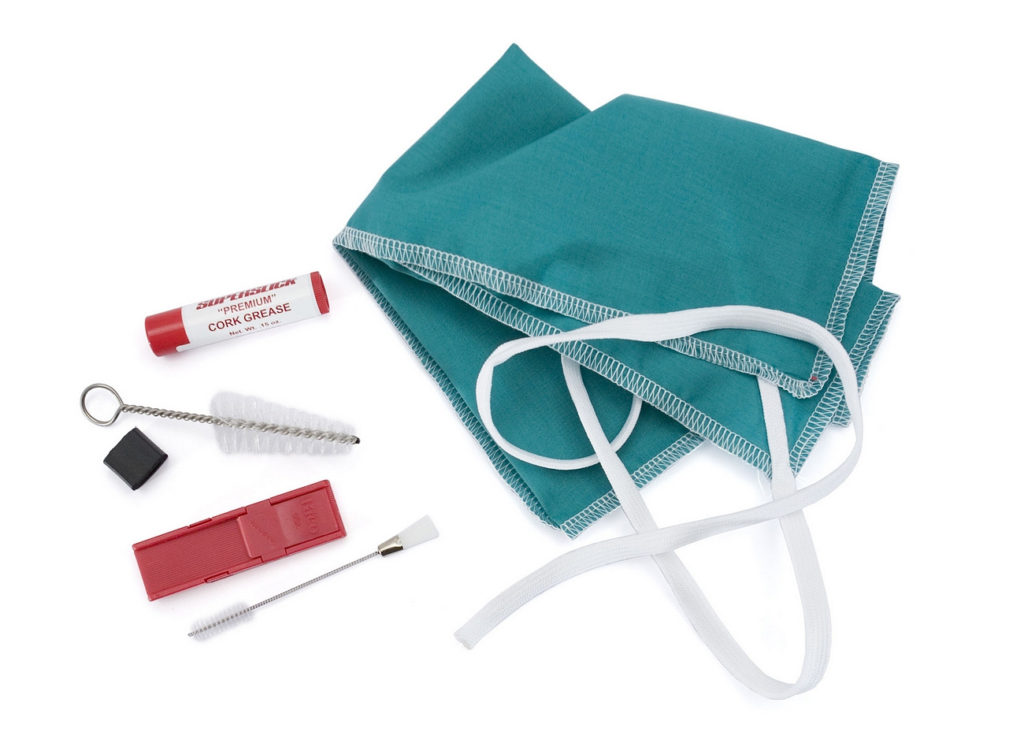
13th May 2020Given the current situation, a lot of people are concerned about public and personal health. A musician’s health can be heavily associated with how well they keep their instruments and accessories. Today we’re going to guide you through measures you can take to ensure your gear is kept safe and clean!
In regards to personal health, please follow the current advice given by the NHS.
A note for all players! This blog will focus on keeping the mouthpiece clean, but be sure to also swab through and clean your whole instrument as usual to keep it working its best by insuring it is dry after playing. Take a look at our other cleaning and maintenance options online via your instruments accessory pages or here on the blog.
(more…)
What Sax Mouthpiece? Classical Sounds
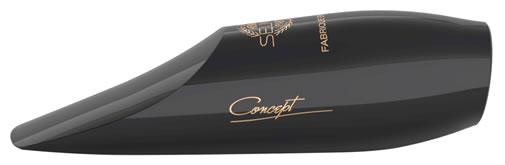
31st October 2019The mouthpiece is one of the most – if not the most – influential pieces of kit on the sound of your instrument. And, at some point, you’ll be needing to get yourself a new one! A new mouthpiece will help you explore an entirely new tone world. Furthermore, and particularly in the case of upgrading from a plastic student mouthpiece, a new piece will help develop stronger expressive tools like articulations and dynamics.
But with so many mouthpieces available, with a range of tip openings, lays, chambers, materials … which one is good for what style? Hopefully we’ll be able to provide some insight on to which mouthpieces work in a range of genres – starting off with classical saxophone.